
NEOM DBP
The NEOM DBP will serve as the central hub for managing digital transformation across various sectors, including urban planning, public services, smart governance, and sustainability initiatives. The platform will provide real-time data, insights, and decision-making capabilities through integrated AI, IoT, and cloud-based technologies.
Key Design Principles
The NEOM DBP will be designed to work interoperably with existing systems and technologies used in the city. This means that it will be able to seamlessly connect with legacy infrastructure, new smart technologies, and third-party services through open APIs and data standards.


1. Modular & Scalable Architecture
Modular Design:
The NEOM DBP will be built using a modular architecture that allows individual components (e.g., transport, energy, governance) to be developed, tested, and deployed independently but integrated seamlessly as part of the larger system. This ensures that the platform can grow, adapt, and incorporate future technologies.Scalability:
The design will ensure that the platform can scale to handle increasing demands as NEOM evolves into a more complex, data-intensive city. It will be capable of managing the growing amounts of data, devices, and interactions across all city services.
2. Interoperability
3. Data-Centric Design
Centralized Data Repository:
All data collected from sensors, IoT devices, AI systems, and urban services will be stored in a centralized, secure data lake. This will enable NEOM to analyze and utilize data efficiently across various platforms and services.Real-Time Analytics:
The platform will offer real-time data processing capabilities, allowing the city to monitor conditions and optimize operations on-the-fly. This includes traffic flow, resource usage, and urban performance metrics.




Core Components of the NEOM DBP Design
Cloud-Native Platform:
The NEOM DBP will be built on a cloud-native infrastructure to ensure flexibility and cost-efficiency. Cloud-based solutions will allow the platform to scale easily and ensure that services are always available, even as demand increases.Edge Computing:
For applications that require low latency (such as autonomous vehicles, smart transport, and energy management systems), edge computing will be integrated into the DBP to process data locally, reducing the burden on centralized servers and enabling real-time decision-making.


1. Digital Architecture Layer
2. AI & Machine Learning Integration
AI-Based Predictive Analytics:
The platform will integrate AI-powered tools to predict urban trends, such as traffic congestion, energy demand, and public service needs. AI will be used to optimize city resources in real-time, ensuring that operations run smoothly and cost-effectively.Machine Learning Models:
Machine learning models will continuously improve the platform’s ability to manage services, predict trends, and suggest actions, making the platform smarter over time.
3. Data & Insights Hub
Real-Time Dashboards:
The DBP will feature real-time dashboards that present insights into key city metrics, including traffic, energy usage, water management, and environmental quality. These dashboards will be accessible to city officials, businesses, and residents, enabling informed decision-making.AI-Driven Decision Support:
The platform will include AI-powered decision-support tools that provide actionable insights for urban planning, resource allocation, and policy-making, helping to streamline government processes and improve public services.
4. Security & Privacy
Zero-Trust Security Model:
A zero-trust security model will be implemented, meaning that no device or system is trusted by default. Every access request to city resources or data will require authentication and authorization, ensuring that sensitive information remains secure.Blockchain for Data Integrity:
The NEOM DBP will integrate blockchain for secure and transparent transactions. This will be particularly useful for digital governance, smart contracts, and ensuring the integrity of data used in decision-making.






NEOM DBP Modules
Smart Grid Management:
The platform will manage the city's smart grids, optimizing electricity generation, distribution, and consumption. It will support renewable energy integration (e.g., solar, wind) and energy efficiency through smart meters and predictive analytics.Energy Efficiency Systems:
Smart homes and buildings will be connected to the DBP to monitor energy consumption and provide recommendations for savings.


1. Smart Mobility Module
Autonomous Transportation:
This module will manage self-driving cars, drones, and flying taxis, integrating them into a seamless mobility system. It will include real-time tracking and routing optimization.Integrated Transport System:
AI will be used to manage public transport (e.g., buses, trains) and optimize traffic flow by adjusting signals based on real-time conditions.
2.Smart Energy Module
3. Urban Services Module
Smart Healthcare:
The DBP will connect citizens to healthcare services through AI-driven diagnostics, telemedicine, and predictive healthcare systems.Public Safety & Security:
This module will include AI-powered surveillance, emergency response, and public safety management, ensuring a secure urban environment.




4.Sustainability & Environment Module
Environmental Monitoring:
IoT sensors will monitor air quality, water levels, and waste management. AI will be used to predict pollution patterns and recommend mitigation actions.Circular Economy:
The DBP will help monitor waste flows and ensure that materials are recycled, reused, and kept in circulation to support a circular economy.
NEOM DBP Governance Model
The digital governance framework will ensure that all data, systems, and services are operated in accordance with NEOM’s laws, regulations, and privacy standards.
Blockchain-based digital identity management will allow citizens and businesses to interact with the city securely and efficiently.


1. Digital Governance Framework
2. Public-Private Partnerships
Collaborations with Industry Leaders:
The NEOM DBP will rely on partnerships with tech giants, startups, and universities to continuously innovate and evolve the platform.
NEOM DBP Lifecycle and Evolution
Modular design will allow for the addition of new capabilities over time, ensuring that the platform can scale and evolve to meet the demands of the city as it grows.
1. Continuous Innovation
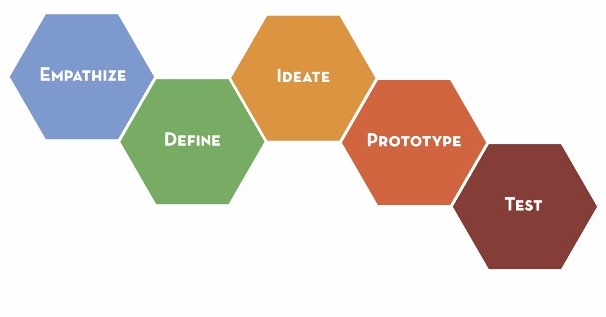
The platform will be flexible, allowing for rapid prototyping and iterative improvements based on user feedback and performance data.
2.Future-Proofing